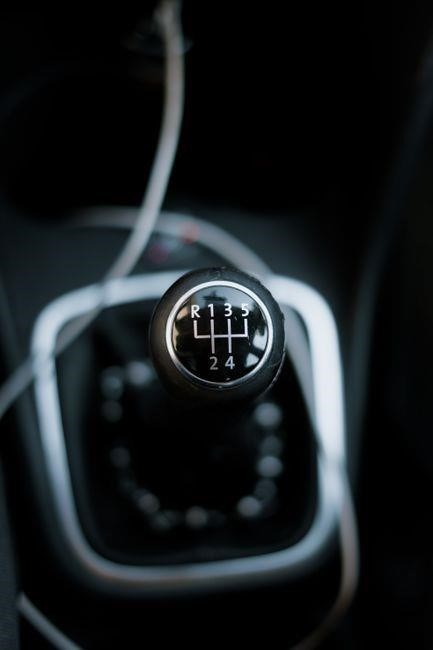
Manual transmissions once dominated roads, offering drivers full control. Today, stick‑shift lessons revive this skill, blending classic mechanics with modern safety. Learners gain clutch mastery, gear‑shift timing, and a deeper connection to vehicle dynamics.It links classic skill modern road!
Historical Context and Current Relevance
Manual transmissions trace back to the early 20th century, when pioneers like Henry Ford introduced the first mass‑produced gearboxes. For decades, every new car carried a clutch and gear lever, making stick‑shift driving a universal skill. The rise of automatic transmissions in the 1970s, driven by fuel‑efficiency concerns and consumer demand for convenience, began to eclipse manual drives. Yet, the manual’s tactile feedback and engine‑control appeal kept it alive, especially among automotive enthusiasts and in markets where manual models remained plentiful.
Today, the manual market has contracted in the United States but remains robust in Europe, Asia, and parts of South America. Modern vehicles now feature dual‑clutch and continuously variable transmissions, but the classic manual still offers unmatched engagement. In recent years, a resurgence of interest has emerged among younger drivers who seek a deeper connection to their cars, and automotive schools have adapted by offering specialized stick‑shift lessons. These lessons emphasize clutch modulation, gear‑shift timing, and the fundamentals of engine‑load management, providing students with skills that translate to better fuel economy, smoother driving, and a more intimate understanding of vehicle dynamics. Moreover, mastering a manual gearbox cultivates a heightened sense of vehicle dynamics, enabling drivers to anticipate torque curves and optimize gear selection for performance and efficiency!
Benefits of Learning Stick Shift
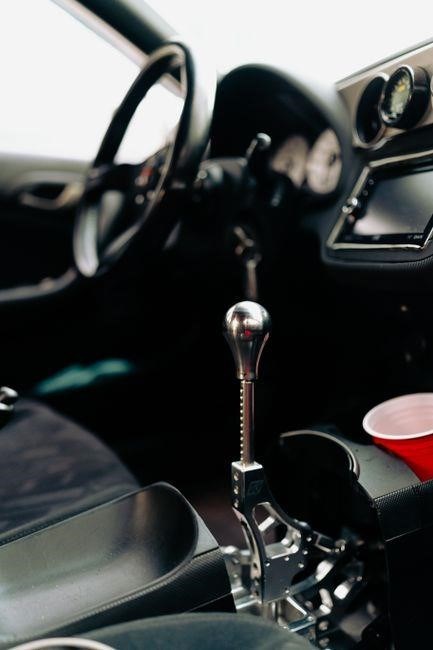
Mastering a stick shift sharpens clutch control, improves gear selection, and boosts fuel efficiency. Drivers gain better vehicle feel, handling, and confidence. The skill fosters adaptability, deeper engine appreciation, and safer, more engaging driving. It also boosts safety and enjoyment daily.
Enhanced Control and Fuel Efficiency
Learning to drive a manual transmission gives drivers a heightened sense of control over the vehicle’s power delivery; By selecting the appropriate gear, drivers can keep the engine within its optimal RPM range, reducing unnecessary wear and improving fuel economy. Manual driving also encourages smoother acceleration and deceleration, which translates into lower fuel consumption on both city and highway routes. Additionally, the tactile feedback from the clutch and gear lever allows drivers to anticipate road conditions, adjust speed more precisely, and respond promptly to traffic changes. This proactive engagement often results in fewer abrupt stops and starts, further conserving fuel. Many modern manuals feature synchronized gearboxes that simplify shifting, making it easier for beginners to maintain engine efficiency. Overall, mastering stick‑shift techniques not only enhances driving confidence but also promotes a more economical and environmentally friendly driving experience.
Students who practice stick‑shift lessons often report a stronger connection to the car’s mechanical systems, fostering a deeper respect for maintenance and longevity. Moreover, the skill set gained from manual driving can translate into better habits when operating automatic vehicles, such as smoother gear changes and mindful throttle use. As a result, drivers can enjoy a more engaging, efficient, and sustainable driving lifestyle.
Ultimately, the discipline of manual driving cultivates precision, awareness, and a lasting appreciation for automotive engineering.
By mastering clutch timing and gear selection, learners develop a heightened sense of vehicle dynamics, enabling them to navigate challenging terrains, such as steep inclines and slippery roads, with confidence and safety!
Prerequisites for Manual Driving Lessons
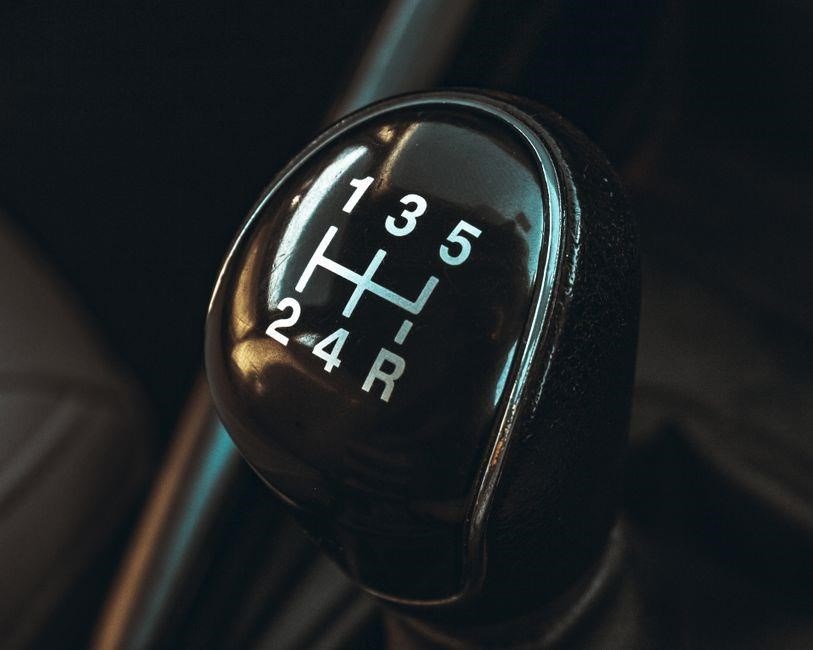
Before starting, ensure you have good hand‑leg coordination, a clear understanding of clutch operation, and basic vehicle knowledge. Familiarity with gear patterns, engine sounds, and brake‑clutch coordination is essential for safe, confident practice
Physical Coordination and Vehicle Knowledge
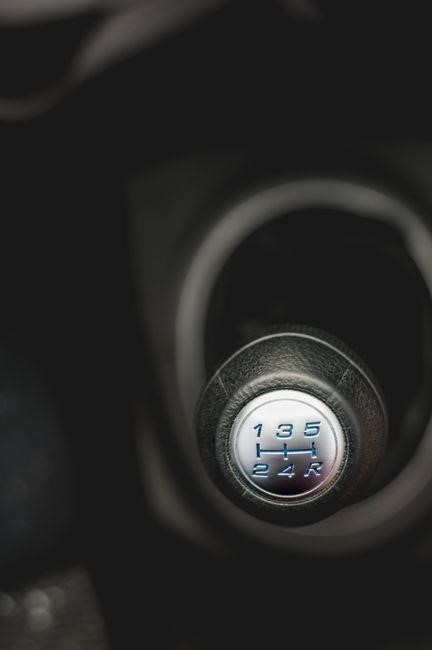
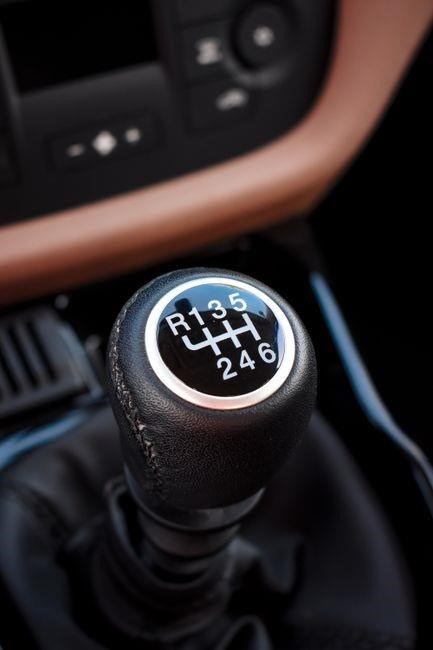
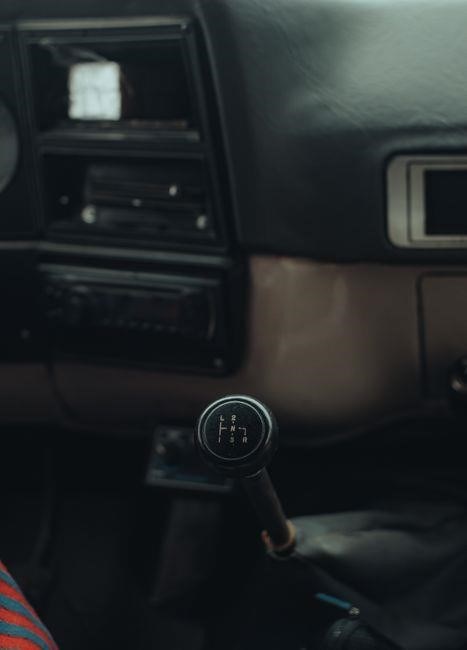
Mastering a manual transmission requires precise hand‑leg coordination and vehicle fundamentals. The driver must synchronize gear selection, and throttle modulation to avoid stalling. Understanding the gear‑shift pattern—often a “H” layout—helps anticipate which gear to engage at specific speeds. Familiarity with engine sounds and RPM cues lets the learner match gear changes to the power band, improving fuel efficiency. Physical coordination starts with the clutch pedal: left foot controls the clutch smoothly, right foot manages accelerator and brake properly. Proper foot placement prevents accidental double‑tapping or abrupt releases that can damage the clutch. The hand on the gear lever should maintain a relaxed grip, allowing quick, accurate shifts. Many instructors recommend practicing “dead‑bolt” shifts—moving the lever without clutch engagement—to build muscle memory before combining with the clutch. Vehicle knowledge extends beyond the gear lever. Knowing the engine’s torque curve, the transmission’s shift points, and the vehicle’s weight distribution informs gear selection. For example, a heavier vehicle may require an earlier shift to maintain acceleration, while a lighter car can shift later for fuel economy. Awareness of the vehicle’s braking system is also crucial; the driver must anticipate stopping distances and adjust gear choice accordingly. Additionally, understanding the role of the clutch in engine braking—shifting to a lower gear while decelerating—provides smoother stops and reduces brake wear. Finally, safety considerations demand that the learner practices in a controlled environment. A quiet, open parking lot or a low‑traffic road allows focus on coordination without external distractions. Regular feedback from an instructor helps refine technique ensuring that the driver develops a confident, efficient driving style that respects both the vehicle’s mechanics and the road’s demands for drivers and safety!!
Selecting the Right Vehicle for Practice
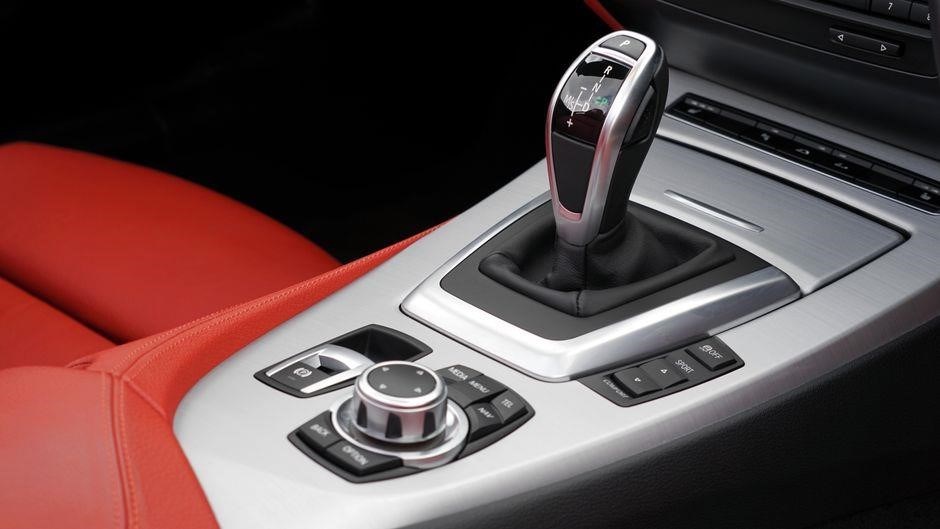
Choose a low‑power manual car with a H‑shifter. Older models like a 1990s Civic or Ford Focus offer durable clutches and gear changes. Ensure the vehicle has a reliable clutch, good brakes, and a clear gear pattern for teens!! smooth learning. now
Popular Manual Models and Key Considerations
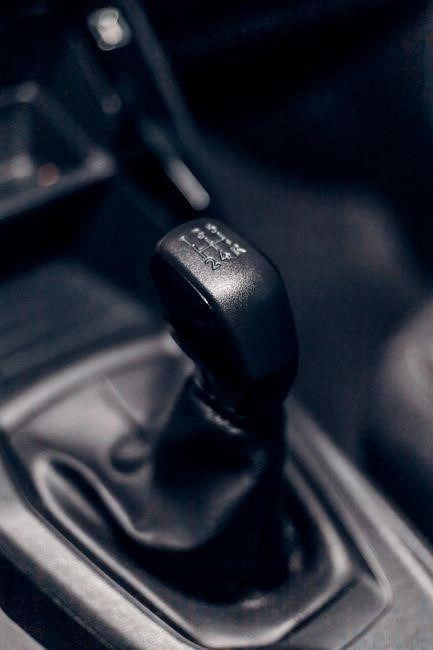
When selecting a car for stick‑shift training, enthusiasts often choose models that balance reliability, affordability, and engaging dynamics. Classic options include the 1990s‑2000s Honda Civic and Toyota Corolla, prized for lightweight chassis, durable gearboxes, and accessible clutches. These compact sedans offer a neutral gear layout, easing beginners to master clutch modulation and gear changes without high‑speed distraction. The Ford Focus (2004‑2008) and Chevrolet Cruze (2010‑2014) provide smooth H‑shifts and robust transmissions that withstand repeated practice. For a sportier feel, the Mazda MX‑5 Miata delivers a lightweight, rear‑wheel‑drive platform that encourages precise clutch engagement and rapid gear changes, reinforcing manual fundamentals. Key considerations when choosing a vehicle include: 1) a reliable clutch that tolerates frequent use, 2) a clear, tactile gear pattern, 3) comfortable pedal spacing for smooth release, and 4) moderate power output to keep the learning curve manageable. Owners should verify the transmission’s condition, ensuring no worn synchros or slipping gears, to avoid discouraging early learners. Affordability and insurance costs also matter; many opt for used models that retain the classic feel while remaining budget‑friendly. By evaluating these factors, instructors and students can select a vehicle that supports consistent practice, builds confidence, and ultimately leads to mastery of stick‑shift driving Students often find that practicing driving scenarios sharpens clutch control and gear selection instincts, ensuring they can adapt technique with confidence Instructors emphasize positioning and anticipating engine load changes, which helps prevent stalling and promotes gear transitions, especially during uphill starts and rapid acceleration
Choosing a Driving Instructor or Academy
Stick‑shift schools blend theory with hands‑on practice. Seek certified instructors, positive reviews,and a well‑maintained manual fleet. A structured curriculum—clutch drills, hill starts,and smooth gear changes—ensures safety and confidence. Choose today now a program that matches your learning pace
Stick Shift Driving Academy and Traditional Schools
Stick Shift Driving Academy offers an online platform that connects aspiring drivers with experienced owners who provide a vehicle and guidance. Learners schedule virtual or in‑person sessions, gaining real‑time feedback on clutch use, gear selection, and smooth transitions. The academy emphasizes hands‑on practice, allowing students to master the “dead‑zone” clutch engagement and learn to match engine RPM with road speed. Traditional driving schools, meanwhile, provide a structured curriculum that covers theoretical knowledge—such as gear ratios, torque curves, and braking points—alongside supervised on‑road instruction. Instructors at these schools often use a mix of classroom lessons, simulators, and controlled driving environments to ensure students develop both mechanical understanding and practical skill. Both approaches value safety, but the academy’s flexible, owner‑led model offers personalized coaching, while traditional schools provide standardized assessment and certification. Choosing between them depends on a learner’s preference for flexibility versus formal accreditation. Whether you opt for the flexible, owner‑led model that tailors lessons to your pace or the very structured curriculum of a traditional school that guarantees a standardized license, both paths ultimately empower you to master the nuanced art of clutch timing, gear selection, and smooth acceleration, ensuring you become a confident, safe driver who appreciates the tactile connection between engine and road. for safety!!!!!
Core Skills Taught in Manual Driving Lessons
Students learn clutch control gear selection rev‑matching and smooth transitions. Instructors emphasize dead‑zone engagement hand‑brake use and proper foot coordination. Mastering these fundamentals builds confidence and safety on each drive
Clutch Control and Gear Shifting Technique
Mastering clutch control begins with understanding the clutch’s bite point, the moment the engine’s torque is transmitted to the drivetrain. Instructors guide students to feel the subtle resistance as the pedal eases off, using the hand‑on‑the‑wheel to balance engine RPM. Smooth engagement prevents stalling and reduces wear. Gear‑shifting technique follows a rhythm: depress the clutch fully, shift to the desired gear, release the clutch gradually while simultaneously easing the accelerator. Timing is crucial; a delayed release can cause a jerky start, whereas too early release may lug the engine. Practicing single‑gear drills on a flat surface builds muscle memory, while multi‑gear drills on inclines teach load‑distribution and rev‑matching. Advanced lessons introduce double‑clutching for vehicles, emphasizing precise throttle control and coordination. Throughout, instructors emphasize situational awareness: anticipating traffic changes, monitoring speed, and adjusting gear selection accordingly. By integrating clutch finesse with strategic gear changes, learners develop a responsive driving style that balances efficiency, control, and vehicle longevity. In real‑world scenarios, mastering clutch control allows drivers to navigate stop‑and‑go traffic, hill starts, and emergency braking with confidence; Additionally, understanding the interplay between clutch engagement and engine braking can improve fuel economy, and reduce brake wear. Students also learn to use the clutch as a tool for engine braking, allowing smoother deceleration without excessive brake use. Consistent practice, feedback from experienced instructors, and the use of simulation tools help solidify these skills, ensuring that learners can adapt to varying road conditions and vehicle types with ease, rapid
Practice Exercises and Drills
Start with single‑gear drills on a quiet road, mastering clutch. Move to hill‑start practice, learn bite point avoid rollback. Then, multi‑gear sequences on varied terrain, focusing timing and throttle control. Finish with traffic stops refine shifting!!
Single-Gear Drills and Multi-Gear Drills
Begin with single‑gear drills in a low‑traffic zone. Focus on clutch bite, throttle modulation, and smooth gear engagement. Repeat the process for each gear, noting the feel of the clutch release point and the engine’s response. This builds muscle memory and confidence in gear selection.
Transition to multi‑gear drills on a straight stretch. Execute a full gear sequence from first to fifth, emphasizing timing, cadence, and maintaining steady speed. Practice downshifting by matching engine RPM to road speed, ensuring a seamless transition that preserves vehicle balance.
Incorporate traffic scenarios: stop‑and‑go city streets, round‑about entries, and lane changes. Use these to refine clutch control under varying loads, learn to anticipate gear changes, and develop smooth acceleration patterns that reduce wear. Record each session for review, noting clutch engagement depth, shift timing, and throttle input.
Finally, simulate real‑world challenges such as uphill starts, downhill braking, and emergency stops. These drills reinforce clutch coordination, gear selection logic, and situational awareness, culminating in a well‑rounded manual‑driving skill set;
Hill‑start drills: use a gentle incline, hold the brake, release clutch to the bite point, then accelerate. Repeat at varying speeds to master clutch control under load. This drill also teaches anticipation of engine torque and proper throttle use during low‑speed starts.
Parallel parking with a manual: engage first gear, use clutch to control speed, shift to neutral when stopping, then re‑engage clutch for reverse. This exercise hones fine motor control and reinforces clutch‑shift coordination in tight spaces.
City‑traffic drills: navigate stop‑lights, merge onto highways, and perform lane changes at speed. Focus on clutch modulation during low‑speed maneuvers and quick gear shifts to maintain flow. This builds confidence in urban environments.
Highway merging: practice accelerating to lane speed, using the clutch to smooth entry, and shifting up quickly. Emphasize maintaining a safe gap, using the clutch to avoid jerks, and shifting down when slowing. This drill enhances highway driving proficiency.
End each session with a brief cool‑down: drive at low speed, shift through gears slowly, and assess clutch feel. This reinforces learning and prevents fatigue, ensuring safe practice sessions.