
Kakadu Knowledge for Tour Guides: A Comprehensive Plan
This intensive‚ five-week course‚ delivered at Charles Darwin University‚ equips tour guides with essential Kakadu knowledge and visitor safety certification.

Kakadu National Park‚ a UNESCO World Heritage site‚ demands specialized knowledge for effective guiding. This park‚ jointly managed by the Bininj/Mungguy people and Parks Australia‚ presents a unique blend of natural and cultural wonders. A foundational course‚ like “Kakadu Knowledge for Tour Guides‚” is crucial for those intending to operate within its boundaries. The park’s vast landscapes‚ encompassing wetlands‚ escarpments‚ and monsoon forests‚ require guides to possess comprehensive environmental understanding.
Furthermore‚ respecting the traditional owners and interpreting the park’s rich Aboriginal heritage is paramount. The course provides essential information‚ ensuring guides deliver accurate and culturally sensitive experiences for visitors. Quality tour guide information is highly valued‚ with recent surveys indicating 92% visitor satisfaction.
Certification is vital for guiding at Kakadu or Uluru-Kata Tjuta‚ providing essential training and assessment in visitor safety and park knowledge.
II. The Significance of Tour Guide Certification
Obtaining certification is paramount for anyone intending to professionally guide tours within Kakadu and Uluru-Kata Tjuta National Parks. This formalized training isn’t merely a recommendation; it’s often a prerequisite established through collaborative efforts between governments and the tourism industry. The course delivers crucial information‚ ensuring guides possess a foundational understanding of the park’s complexities.
Visitor surveys consistently demonstrate a high expectation for quality information‚ with 92% rating guide information as ‘very good’ to ‘excellent’. Certification assures visitors receive accurate‚ respectful‚ and engaging interpretations of Kakadu’s natural and cultural significance. It also emphasizes visitor safety and responsible tourism practices‚ mitigating risks and enhancing the overall experience. Ultimately‚ certification elevates the professionalism of guiding services within this unique World Heritage area.
This entry-level course provides essential Kakadu information for tour guides‚ developed through partnerships between Parks Australia and the tourism sector.
III. Course Overview: “Kakadu Knowledge for Tour Guides”
The “Kakadu Knowledge for Tour Guides” course is a comprehensive program designed to provide participants with a deep understanding of Kakadu National Park. It’s an intensive five-week program‚ blending classroom learning with an immersive field trip directly within Kakadu itself. The curriculum focuses on essential information‚ covering natural environments‚ cultural heritage‚ and practical guiding skills. Successful completion leads to official certification‚ enabling guides to confidently and responsibly lead tours.
This training addresses critical areas like visitor safety and risk management‚ ensuring guides are prepared for various scenarios. The course aims to elevate the quality of tour guide information‚ evidenced by recent visitor surveys showing 92% satisfaction with existing guide quality.
Developed through collaboration between governments and the tourism industry‚ this entry-level course provides essential Kakadu information for aspiring tour guides.
IV. Course Delivery & Location (Charles Darwin University)
The “Kakadu Knowledge for Tour Guides” course is comprehensively delivered at the Charles Darwin University’s Palmerston Campus‚ providing a convenient and accessible learning environment. This intensive program spans five weeks‚ blending classroom-based instruction with an extended‚ immersive field trip directly within Kakadu National Park. Participants benefit from experienced instructors and practical‚ hands-on training.
The campus facilities offer modern learning resources‚ supporting a dynamic educational experience. Crucially‚ the extended field trip component allows for direct observation and application of learned concepts within the park itself‚ solidifying understanding of Kakadu’s unique environment and cultural significance. This location ensures a strong connection between theory and practice.
Certification is achieved upon successful completion of the training program‚ enabling qualified individuals to confidently guide tours within Kakadu National Park.

V. Visitor Demographics & Expectations
Understanding the diverse visitor base is crucial for effective guiding. Recent surveys reveal 92% of Kakadu visitors rate tour guide information as ‘very good’ to ‘excellent’‚ highlighting its importance. The demographics are varied‚ encompassing domestic and international tourists‚ with a growing interest from independent travelers seeking immersive cultural experiences.
Expectations center around accurate‚ engaging‚ and respectful interpretation of both the natural environment and Bininj/Mungguy culture. Visitors desire knowledgeable guides who can convey complex information in an accessible manner‚ prioritizing safety and responsible tourism practices. Guides must be prepared to cater to different learning styles and physical abilities‚ ensuring an inclusive and enriching experience for all.
Kakadu’s entry-level course provides essential information for tour guides‚ developed through collaboration between governments and the tourism industry for quality guidance.
VI. Core Module 1: Kakadu’s Natural Environment
This foundational module delves into the remarkable natural systems defining Kakadu National Park. Participants will gain a comprehensive understanding of the park’s biodiversity‚ encompassing its unique ecosystems and the intricate relationships within them. The curriculum emphasizes identifying key flora and fauna species‚ alongside their crucial ecological roles.
Crucially‚ the module covers the geological forces shaping Kakadu’s landscapes‚ providing context for its diverse habitats. Tour guides will learn to articulate these natural processes to visitors‚ enhancing their appreciation for this World Heritage area. Understanding seasonal changes – the distinct wet and dry seasons – and their impact on the environment is also a key component. This module prepares guides to confidently discuss Kakadu’s natural wonders.

The course provides essential information for Kakadu tour guides‚ covering visitor safety‚ cultural protocols‚ and the park’s unique natural and cultural heritage.
VII. Kakadu’s Geology & Landscape Formation
Kakadu’s dramatic landscapes are a result of billions of years of geological activity‚ shaping the sandstone escarpments‚ floodplains‚ and stone country. Understanding this formation is crucial for tour guides. Ancient volcanic events and subsequent erosion created the unique topography. The Arnhem Land plateau‚ composed of ancient granite‚ influences the park’s drainage systems. Guides must convey how these geological processes have impacted the region’s biodiversity and cultural significance. Explaining the cyclical nature of erosion and deposition‚ alongside the impact of ancient seas‚ provides context. Knowledge of the underlying rock structures helps interpret landforms and their stories. Effective guides connect geology to cultural narratives‚ enhancing visitor understanding of Kakadu’s deep history.
VIII. Flora of Kakadu: Key Species & Ecological Roles

Kakadu’s diverse flora reflects its varied habitats‚ from monsoon forests to woodlands and wetlands. Tour guides need to identify key species like eucalyptus‚ paperbarks‚ and pandanus palms‚ explaining their ecological roles. Monsoon forests thrive in the wetter areas‚ supporting a rich biodiversity. Stone country vegetation is adapted to infertile soils and seasonal drought. Understanding plant adaptations – like fire resistance – is vital. Guides should explain how flora supports fauna‚ providing food and shelter. Knowledge of bush tucker plants and their traditional uses adds depth to interpretations. Highlighting the interconnectedness of plant life within the ecosystem enhances visitor appreciation.
IX. Fauna of Kakadu: Wildlife Identification & Behaviour
Kakadu’s fauna is remarkably diverse‚ including iconic species like saltwater crocodiles‚ jabiru‚ and various wallaby species. Tour guides must confidently identify common animals and understand their behaviours. Crocodile safety is paramount; guides need to brief visitors on risks and responsible viewing. Birdlife is abundant‚ requiring knowledge of calls and habitats. Understanding seasonal changes impacting animal movements – breeding‚ migration – is crucial. Guides should explain the ecological roles of different species‚ like predators and herbivores. Knowledge of threatened species and conservation efforts adds value. Ethical wildlife viewing practices must be emphasized to protect Kakadu’s biodiversity.
Certification is vital for guiding at Kakadu or Uluru-Kata Tjuta‚ providing essential information and ensuring visitor safety standards are met.
X. Core Module 2: Kakadu’s Cultural Heritage
This module deeply explores Kakadu’s rich cultural landscape‚ focusing on the Bininj/Mungguy people as the traditional owners and custodians of this ancient land. Participants will gain crucial understanding of the profound significance of rock art sites‚ learning responsible interpretation techniques.
The course delves into Dreamtime stories‚ emphasizing the importance of respecting cultural protocols when guiding visitors. Understanding these narratives provides context for the landscape and its spiritual meaning. Guides will learn to convey this heritage respectfully‚ fostering appreciation and responsible tourism.
Sensitivity and accurate representation are paramount‚ ensuring visitors receive authentic and meaningful cultural experiences within Kakadu National Park.
Kakadu’s guiding program provides essential training‚ covering visitor safety‚ cultural awareness‚ and in-depth knowledge of the park’s natural and cultural values.
XI. Bininj/Mungguy People: Traditional Owners
Understanding the Bininj/Mungguy people is paramount for responsible guiding in Kakadu. They are the traditional owners‚ with a continuous connection to this land spanning millennia. Tour guides must demonstrate respect for their culture‚ knowledge systems‚ and ongoing custodianship of the park. Cultural protocols are essential; guides need to be aware of appropriate behaviours‚ sensitivities regarding sacred sites‚ and permission requirements for sharing certain stories or accessing specific areas.
Effective interpretation involves acknowledging the Bininj/Mungguy perspective‚ moving beyond simply presenting archaeological facts to conveying the living cultural significance of the landscape. Guides should learn basic language phrases and understand the importance of seeking guidance from local representatives to ensure accurate and respectful representation of their heritage.
XII. Rock Art Sites: Interpretation & Significance
Kakadu’s rock art is globally significant‚ representing over 65‚000 years of Aboriginal history and culture. Tour guides require comprehensive training in its interpretation‚ understanding that these sites are not merely ‘paintings’ but complex records of Dreamtime stories‚ ceremonies‚ and daily life. Interpretation must be sensitive‚ avoiding speculation and prioritizing Bininj/Mungguy perspectives; Guides should explain the different art styles‚ dating methods‚ and the importance of site preservation.
Respectful engagement is crucial; touching the art is strictly prohibited. Guides must convey the spiritual significance of these places and emphasize the ongoing connection between the art and the traditional owners‚ fostering appreciation and responsible tourism.

XIII. Dreamtime Stories & Cultural Protocols
Dreamtime stories (also known as Dreaming) are central to Bininj/Mungguy culture‚ explaining the creation of the landscape‚ animals‚ and societal laws. Tour guides must learn key stories relevant to visited sites‚ presenting them with respect and acknowledging their sacred nature. Cultural protocols are paramount; guides must understand and adhere to restrictions regarding photography‚ specific site access‚ and interactions with traditional owners.
Sensitivity is key – avoid interrupting ceremonies or asking intrusive questions. Guides should emphasize that these stories are living knowledge‚ continuously passed down through generations‚ and are not simply ‘myths’.
Kakadu’s unique environment and rich cultural heritage demand specialized guiding skills‚ ensuring responsible tourism and visitor appreciation of this World Heritage site.
XIV. Core Module 3: Practical Guiding Skills
This crucial module focuses on translating theoretical knowledge into effective guiding practices within Kakadu National Park. Participants will delve into visitor safety protocols‚ encompassing comprehensive risk management strategies tailored to the park’s diverse environments. Emphasis is placed on proactive hazard identification and appropriate response procedures‚ including first aid and emergency communication.

Furthermore‚ the module cultivates exceptional communication and interpretation techniques‚ enabling guides to engage visitors with compelling narratives about Kakadu’s natural and cultural significance. Learning to adapt communication styles to diverse audiences is key. Practical exercises will refine skills in delivering informative‚ respectful‚ and engaging tours‚ ensuring a high-quality visitor experience and upholding cultural protocols.
XV. Visitor Safety & Risk Management
A paramount concern for Kakadu tour guides‚ this section provides comprehensive training in identifying and mitigating potential hazards. Participants will learn to assess risks associated with wildlife encounters‚ remote locations‚ and varying weather conditions. The curriculum covers emergency preparedness‚ including establishing communication protocols and implementing effective evacuation procedures.
Crucially‚ guides will be trained in delivering clear safety briefings to visitors‚ emphasizing responsible behavior and adherence to park regulations. Understanding and responding to medical emergencies‚ alongside proficient first aid skills‚ are integral components. This module ensures guides are equipped to prioritize visitor wellbeing and maintain a secure touring environment throughout Kakadu.
XVI. Effective Communication & Interpretation Techniques
This module focuses on enhancing a tour guide’s ability to connect with diverse audiences and convey Kakadu’s significance. Participants will develop skills in storytelling‚ adapting communication styles to different visitor demographics‚ and delivering engaging interpretations of the park’s natural and cultural heritage.
Techniques for handling questions‚ managing group dynamics‚ and providing clear‚ concise information are emphasized. Guides will learn to translate complex scientific and cultural concepts into accessible narratives‚ fostering a deeper appreciation for Kakadu. Recent visitor surveys demonstrate a high regard for quality tour guide information‚ highlighting the importance of these skills.
XVII. First Aid & Emergency Procedures in Kakadu
This critical module prepares tour guides to respond effectively to medical emergencies and unforeseen incidents within Kakadu National Park. Comprehensive training covers essential first aid techniques‚ including treatment for common injuries‚ snake bites‚ and heat-related illnesses.
Participants will learn established emergency procedures‚ communication protocols‚ and evacuation strategies specific to the Kakadu environment. The course stresses visitor safety and risk management‚ ensuring guides are equipped to handle challenging situations responsibly. The training and assessment cover critical areas of visitor safety‚ a core component of the Kakadu Knowledge for Tour Guides certification.

The course provides essential information about Kakadu‚ covering visitor safety and equipping tour guides with critical knowledge for effective interpretation.
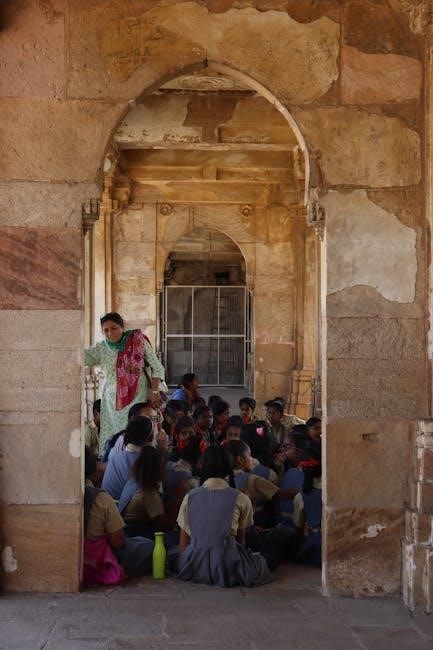
XVIII. Field Trip Component: Immersive Kakadu Experience
The “Kakadu Knowledge for Tour Guides” course culminates in an extended field trip directly within Kakadu National Park‚ providing invaluable practical application of learned concepts; This immersive experience allows participants to directly observe geological formations‚ identify key flora and fauna‚ and engage with significant rock art sites.
Participants will practice interpretation techniques in real-world settings‚ honing their skills in visitor safety and risk management amidst the park’s diverse landscapes. The field trip fosters a deeper understanding of Bininj/Mungguy culture and the importance of respecting cultural protocols. It’s a crucial component for achieving full certification‚ solidifying theoretical knowledge with hands-on experience‚ and preparing guides to deliver exceptional tours.
This comprehensive plan details essential training for Kakadu tour guides‚ covering natural environments‚ cultural heritage‚ and practical guiding skills for certification.
XIX. Post-Course Assessment & Certification
Successful completion of the “Kakadu Knowledge for Tour Guides” program necessitates a rigorous post-course assessment‚ validating acquired knowledge and practical skills. This evaluation encompasses both theoretical examinations‚ probing understanding of Kakadu’s natural and cultural significance‚ and practical demonstrations of guiding techniques. Participants must demonstrate proficiency in visitor safety protocols‚ effective communication‚ and responsible interpretation of the park’s resources.
Upon successful assessment‚ participants receive their official Kakadu Knowledge for Tour Guides certification‚ a crucial credential for employment within the park and the broader tourism industry. This certification confirms competence and commitment to delivering high-quality‚ informative‚ and respectful experiences for visitors‚ aligning with the expectations highlighted in recent visitor surveys – where 92% rated tour guide information as very good to excellent.
Entry-level training provides essential information about Kakadu‚ covering critical areas like visitor safety and responsible guiding practices for professionals.
XX. Maintaining Up-to-Date Knowledge
Continuous professional development is crucial for Kakadu tour guides‚ given the park’s dynamic environment and evolving cultural understanding. Recent visitor surveys demonstrate a high expectation for quality information – 92% rated it very good to excellent. Guides should actively seek updates on flora‚ fauna‚ geology‚ and Bininj/Mungguy culture.
Regularly reviewing Parks Australia resources‚ attending workshops‚ and engaging with local Indigenous communities are vital. Staying informed about current research and management practices ensures accurate and respectful interpretation. The course provides a foundation‚ but ongoing learning is essential for delivering exceptional visitor experiences and upholding responsible tourism standards within Kakadu National Park.
Kakadu’s entry-level course provides essential information for tour guides‚ covering visitor safety and critical areas developed with governments and the tourism industry.
XXI. Resources & Further Learning
For continued professional development‚ numerous resources exist beyond the core “Kakadu Knowledge for Tour Guides” certification. Parks Australia provides extensive online materials detailing park management‚ cultural significance‚ and current research. Charles Darwin University offers advanced courses in environmental management and Indigenous tourism‚ building upon foundational knowledge.
Additionally‚ the Kakadu Tourism website features updated visitor information‚ safety alerts‚ and cultural protocols. Engaging with local Bininj/Mungguy knowledge holders through workshops and consultations is invaluable. Recent visitor surveys (92% positive feedback on guide quality) emphasize the importance of staying current. Utilizing these resources ensures guides deliver accurate‚ respectful‚ and enriching experiences‚ fostering a deeper appreciation for Kakadu’s unique values.

XXII. The Importance of Quality Tour Guide Information (Visitor Surveys)
Recent visitor surveys consistently demonstrate a strong correlation between guide quality and overall visitor satisfaction within Kakadu National Park. An impressive 92% of respondents rated the quality of tour guide information as “very good to excellent‚” highlighting its critical role in the visitor experience.
Accurate‚ engaging‚ and culturally sensitive interpretation significantly enhances appreciation for Kakadu’s natural and cultural values. Guides equipped with comprehensive “Kakadu Knowledge” certification directly contribute to these positive outcomes. Investing in ongoing training and access to updated resources is therefore paramount‚ ensuring guides can effectively communicate complex information and foster respectful engagement with this unique landscape and its Traditional Owners.