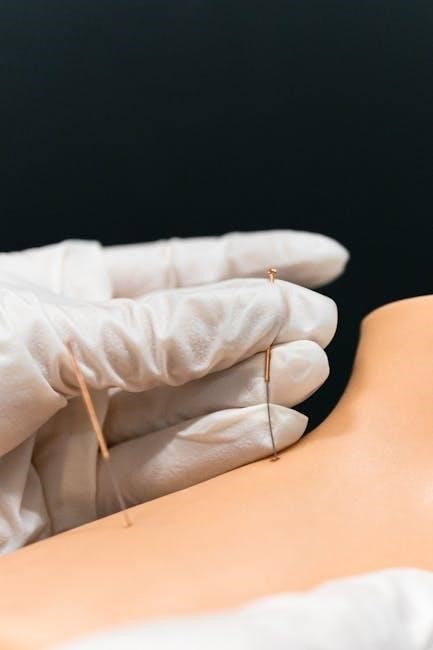
Manual medicine is a comprehensive discipline focused on diagnosing, treating, and preventing reversible functional disorders within the musculoskeletal system, offering holistic care.
Defining Manual Medicine
Manual medicine represents a distinct approach to healthcare, centering on the skilled application of hands to diagnose and therapeutically treat musculoskeletal dysfunction. It’s characterized as a medical discipline comprehensively addressing reversible functional disorders, moving beyond merely treating symptoms to identify and correct underlying biomechanical imbalances.
This field doesn’t solely rely on pharmacological interventions or surgery; instead, it emphasizes the body’s inherent capacity for self-healing. Practitioners utilize precise palpation and assessment techniques to pinpoint areas of restricted movement or tissue tension. The core principle involves restoring optimal joint mechanics and soft tissue function, thereby alleviating pain and improving overall physical performance.
Essentially, manual medicine aims to enhance the body’s natural restorative processes through targeted, hands-on interventions, promoting a return to optimal health and well-being.
Historical Development of Manual Medicine
Manual medicine’s roots are deeply embedded in ancient healing traditions, with early forms of bone-setting and massage practiced across various cultures. However, its modern evolution began in the late 19th century, spurred by dissatisfaction with prevailing medical practices of the time.
Key figures emerged, notably Daniel David Palmer, who founded chiropractic in 1895, focusing on spinal adjustments to correct “subluxations.” Simultaneously, Andrew Taylor Still developed osteopathic medicine in 1874, emphasizing a holistic, whole-person approach and utilizing manipulative techniques to restore structural integrity.
These pioneers challenged conventional medical dogma, advocating for the body’s self-healing capabilities and the importance of musculoskeletal health. Throughout the 20th and 21st centuries, manual medicine continued to evolve, incorporating new research and refining existing techniques, solidifying its place as a recognized healthcare modality.

Types of Manual Medicine
Diverse approaches encompass chiropractic, osteopathic manipulative medicine, acupressure, and the Bowen Technique, each offering unique philosophies and techniques for musculoskeletal health.
Chiropractic Medicine
Chiropractic medicine centers on the relationship between the body’s structure – primarily the spine – and its function. It’s founded on the belief that spinal misalignment, or subluxations, can interfere with the nervous system and impact overall health. Chiropractors utilize a range of manual techniques, most notably chiropractic adjustments, to restore proper joint motion and reduce nerve interference.
This discipline addresses dysfunction and pain within the musculoskeletal system, employing diagnosis and treatment strategies focused on restoring optimal biomechanical function. Chiropractic care isn’t solely limited to back pain; it extends to various conditions affecting the nervous and musculoskeletal systems, promoting a holistic approach to wellness. The core principle involves the body’s inherent self-healing capabilities, facilitated through precise spinal manipulation.
Principles of Chiropractic Adjustment
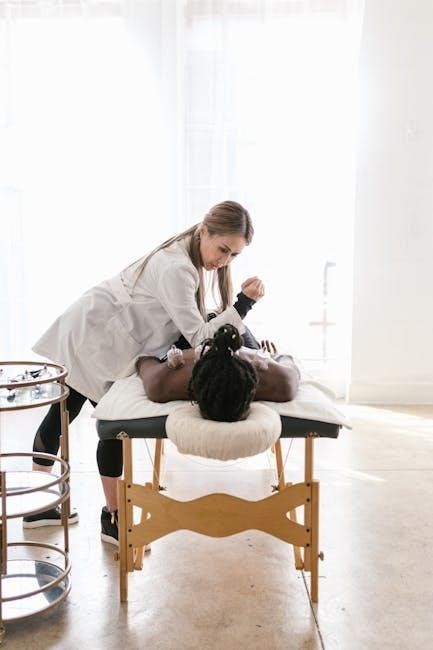
Chiropractic adjustment, or spinal manipulation, is a core technique involving a controlled force applied to specific joints to restore proper motion and improve nervous system function. The primary goal is to correct vertebral subluxations – misalignments that interfere with nerve communication. Adjustments are typically delivered by hand or with specialized instruments, tailored to the individual patient’s needs.
These adjustments aren’t random; they’re based on a thorough assessment, including palpation, range of motion evaluation, and potentially imaging. The force applied is precise and directed, aiming to restore joint play and reduce irritation to the nervous system. This process facilitates the body’s natural healing mechanisms, alleviating pain and improving overall function. Adjustments are generally considered safe when performed by a qualified chiropractor.
Common Conditions Treated by Chiropractors
Chiropractors commonly address a wide range of musculoskeletal conditions, with a strong focus on spine-related issues. Lower back pain is perhaps the most frequent complaint, but they also effectively manage neck pain, headaches (including tension and cervicogenic types), and sciatica. Beyond the spine, chiropractors treat conditions affecting joints throughout the body, such as shoulder pain, hip pain, and even extremity issues like carpal tunnel syndrome.
Furthermore, chiropractic care extends to addressing postural imbalances, sports injuries, and certain types of dizziness. They often provide preventative care and wellness advice to maintain optimal musculoskeletal health. While chiropractic isn’t a cure-all, it offers a non-invasive approach to pain management and functional restoration for numerous conditions, improving patients’ quality of life.
Osteopathic Manipulative Medicine (OMM)
Osteopathic Manipulative Medicine (OMM) represents a distinct approach to healthcare, deeply rooted in the belief that the body possesses inherent self-healing capabilities. Osteopathic physicians (DOs) receive extensive training in OMM, utilizing hands-on techniques to diagnose and treat musculoskeletal imbalances. This holistic perspective considers the interconnectedness of all body systems – musculoskeletal, neurological, and circulatory – to address the root cause of dysfunction.
OMM isn’t merely about treating symptoms; it’s about restoring proper structural alignment and function to enhance the body’s natural healing processes. DOs employ a variety of techniques, including soft tissue mobilization, articulation, and muscle energy techniques, tailored to each patient’s individual needs. This comprehensive approach aims to improve range of motion, reduce pain, and promote overall wellness.
Osteopathic Philosophy and Approach
The core of osteopathic philosophy centers on a holistic understanding of the human body, viewing it as an integrated unit where structure and function are inextricably linked. This means that problems in one area can impact other seemingly unrelated parts. Osteopathic physicians (DOs) believe the body has self-healing capabilities, and OMM aims to facilitate this process by removing obstacles to natural healing.
The osteopathic approach emphasizes treating the ‘whole person’ – considering not just the physical symptoms, but also lifestyle, environment, and emotional well-being. DOs prioritize a patient-centered approach, focusing on individualized care plans. They utilize a hands-on diagnostic approach, palpating tissues to identify areas of restriction or dysfunction, guiding treatment strategies focused on restoring optimal structural balance and function.
Techniques Used in OMM
Osteopathic Manipulative Medicine (OMM) employs a diverse range of hands-on techniques designed to diagnose and treat musculoskeletal dysfunction. These techniques are broadly categorized into several types, including soft tissue techniques – like stretching, kneading, and myofascial release – aimed at reducing muscle tension and improving circulation. Articulatory techniques involve rhythmic, passive movements of joints within their normal range of motion, enhancing joint mobility.

Furthermore, OMM utilizes muscle energy techniques, where patients actively engage their muscles against a counterforce applied by the physician, to correct positional faults. High-velocity, low-amplitude (HVLA) thrust techniques, similar to chiropractic adjustments, may also be employed. Cranial osteopathy focuses on subtle manipulations of the cranial bones, aiming to influence the flow of cerebrospinal fluid. The specific techniques chosen are tailored to the individual patient’s needs and presentation.
Other Manual Therapies
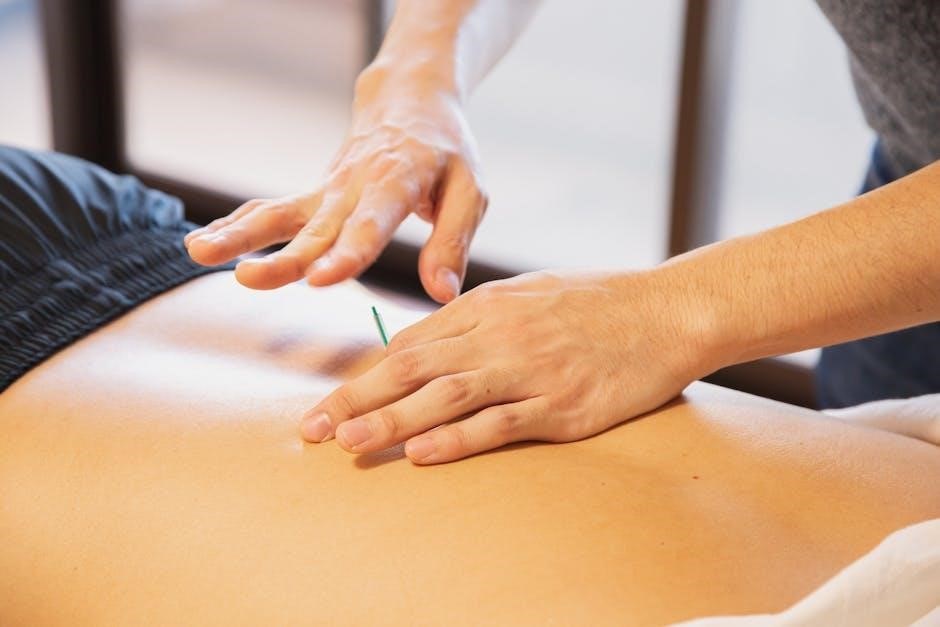
Beyond chiropractic and osteopathic approaches, a spectrum of other manual therapies exists, each with unique philosophies and techniques. Acupressure, rooted in Traditional Chinese Medicine, utilizes finger pressure on specific points along meridians to stimulate the body’s self-healing abilities, addressing pain and dysfunction. The Bowen Technique employs gentle, rolling movements over muscles, tendons, and nerves, prompting the body to reset and restore balance.
Additionally, therapies like Anma and Bodywork offer varied approaches to soft tissue manipulation and energy balancing. Cranio-sacral therapy focuses on the cranium and sacrum, aiming to improve cerebrospinal fluid flow. These modalities often complement conventional medical care, providing alternative or integrative options for musculoskeletal issues and overall well-being, offering patients diverse pathways to healing and improved function.
Acupressure and its Role
Acupressure, a cornerstone of Traditional Chinese Medicine, represents a non-invasive manual therapy deeply connected to acupuncture. It involves applying physical pressure to specific points – acupoints – located along energy pathways called meridians. This stimulation aims to release blockages, promoting the flow of Qi (vital energy) throughout the body, restoring balance and facilitating natural healing processes.
Unlike acupuncture, acupressure doesn’t utilize needles; instead, practitioners employ fingers, thumbs, palms, elbows, or specialized tools. Its role extends to managing a wide range of conditions, including musculoskeletal pain, headaches, nausea, and stress. Acupressure is often used as a complementary therapy, enhancing the effectiveness of conventional treatments and empowering individuals to actively participate in their wellness journey, offering a gentle yet potent therapeutic approach.
Bowen Technique Explained
The Bowen Technique is a holistic, gentle, and non-invasive manual therapy originating in Australia. It centers around precise, soft tissue movements over muscles, tendons, nerves, and fascia – the connective tissue surrounding muscles. These movements aren’t forceful; instead, they’re carefully applied, creating subtle signals that prompt the body’s innate healing mechanisms.
Unlike many other manual therapies, the Bowen Technique doesn’t focus on manipulating joints. Instead, it aims to release tension and restore balance within the body’s fascial network. Sessions typically involve a series of moves performed with the practitioner’s fingers and thumbs, followed by short rest periods allowing the body to integrate the work. It’s utilized for a diverse range of conditions, including musculoskeletal pain, postural imbalances, and stress-related issues, offering a profoundly relaxing and restorative experience.
Techniques in Manual Medicine
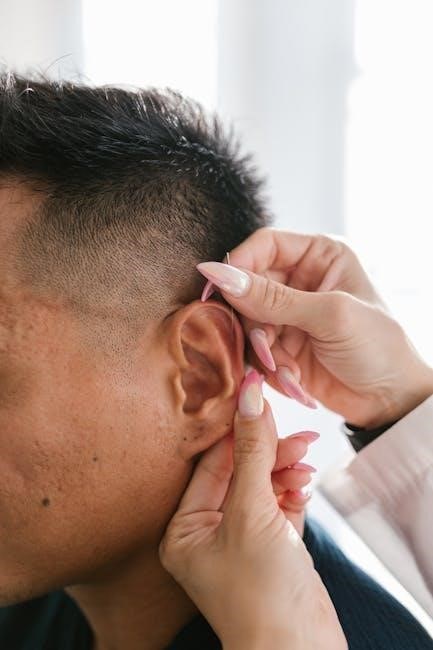
Various techniques, including soft tissue work, articulatory methods, and focused joint mobilization, are employed to address musculoskeletal dysfunction and restore optimal movement patterns.
Soft Tissue Techniques
Soft tissue techniques represent a cornerstone of manual medicine, directly addressing the muscles, tendons, ligaments, and fascia that envelop and support the body’s structures. These methods aim to release tension, alleviate pain, and restore proper biomechanics by influencing the viscoelastic properties of these tissues.
Practitioners utilize a diverse array of approaches, including myofascial release, which targets restrictions within the fascial network; trigger point therapy, focusing on hyperirritable spots within muscles; and Swedish massage, employing long, flowing strokes to promote relaxation and circulation.
Effective application requires a thorough understanding of anatomy and biomechanics, allowing for targeted interventions. These techniques are often integrated with other manual therapies to achieve comprehensive patient care, enhancing range of motion and reducing discomfort.
Articulatory Techniques
Articulatory techniques within manual medicine focus on restoring proper joint motion and addressing restrictions in joint play – the subtle movements available within a joint beyond its active range. These methods differ from high-velocity, low-amplitude thrusts, emphasizing rhythmic, oscillatory movements to influence the joint capsule and surrounding tissues.
Practitioners employ a variety of approaches, including traction-rotation, where gentle pulling and twisting are applied, and rhythmic joint mobilization, utilizing repetitive movements to restore normal arthrokinematics. The goal is to improve joint mechanics, reduce pain, and enhance overall function.
Careful assessment and precise application are crucial, respecting the joint’s physiological limits. Articulatory techniques are often used in conjunction with soft tissue work for a holistic approach to musculoskeletal dysfunction.
Focused Joint Mobilization
Focused joint mobilization represents a specific category within manual medicine, employing graded forces applied to a joint to restore optimal movement and reduce pain. Unlike broader articulatory techniques, this approach targets specific joint restrictions identified through careful palpation and assessment.
Mobilization grades, ranging from I to V, dictate the amplitude and intensity of the applied force. Lower grades involve small-amplitude oscillatory movements, while higher grades incorporate larger movements and potentially a slight stretch. The practitioner selects the appropriate grade based on the patient’s condition and tolerance.
The aim is to address capsular restrictions, muscle guarding, and altered joint mechanics, ultimately improving range of motion and alleviating discomfort. It’s a skilled technique requiring a thorough understanding of joint anatomy and biomechanics.
Diagnosis in Manual Medicine
Diagnosis relies heavily on detailed palpation and thorough assessment of a patient’s musculoskeletal system, identifying functional disorders and pain origins.
Palpation and Assessment
Palpation, a cornerstone of manual medicine diagnosis, involves skilled hand examination to assess tissue texture, temperature, and movement restrictions within the musculoskeletal system. Practitioners utilize various palpation techniques – light touch for superficial tissues, and deeper pressure for muscles, joints, and ligaments – to identify areas of tenderness, spasm, or asymmetry.
Assessment extends beyond palpation, incorporating a comprehensive patient history, observation of posture and movement patterns, and specific orthopedic tests. These tests evaluate joint integrity, muscle strength, neurological function, and range of motion. Careful observation reveals subtle compensations or imbalances that contribute to dysfunction. The goal is to pinpoint the source of pain and identify underlying biomechanical faults, leading to an accurate diagnosis and targeted treatment plan.
Range of Motion Evaluation
Range of Motion (ROM) evaluation is a critical component of the manual medicine assessment process, meticulously documenting the extent of movement available at each joint. Both active ROM – the patient’s independent movement – and passive ROM – the examiner’s movement of the patient’s joint – are assessed. Limitations in ROM can indicate joint restrictions, muscle tightness, pain, or inflammation.
Detailed observation during ROM testing reveals the quality of movement, noting any pain provocation, crepitus (clicking or grinding sounds), or compensatory patterns. Goniometry, using a specialized instrument, provides precise measurements of joint angles. Comparing ROM measurements to normative values and to the contralateral side helps identify asymmetries and pinpoint specific areas of dysfunction, guiding treatment strategies focused on restoring optimal joint mechanics and function.

Effectiveness and Safety of Manual Medicine
Manual medicine demonstrates effectiveness, particularly for musculoskeletal conditions like back pain, neck pain, and headaches, offering a non-invasive alternative or complement to conventional medical treatments. Research supports its ability to reduce pain, improve function, and enhance quality of life. However, like all healthcare interventions, it’s not without potential risks.
Generally considered safe when performed by qualified and trained practitioners, manual medicine can occasionally cause mild, temporary side effects such as soreness or stiffness. Serious adverse events are rare but may include nerve injury or stroke, particularly with certain cervical spine manipulations. A thorough patient history, careful examination, and appropriate technique selection are crucial for minimizing risks and maximizing benefits, ensuring responsible and evidence-informed care.